Which Boeing Planes to Avoid: Safety Concerns, Recalls, and Expert Advice
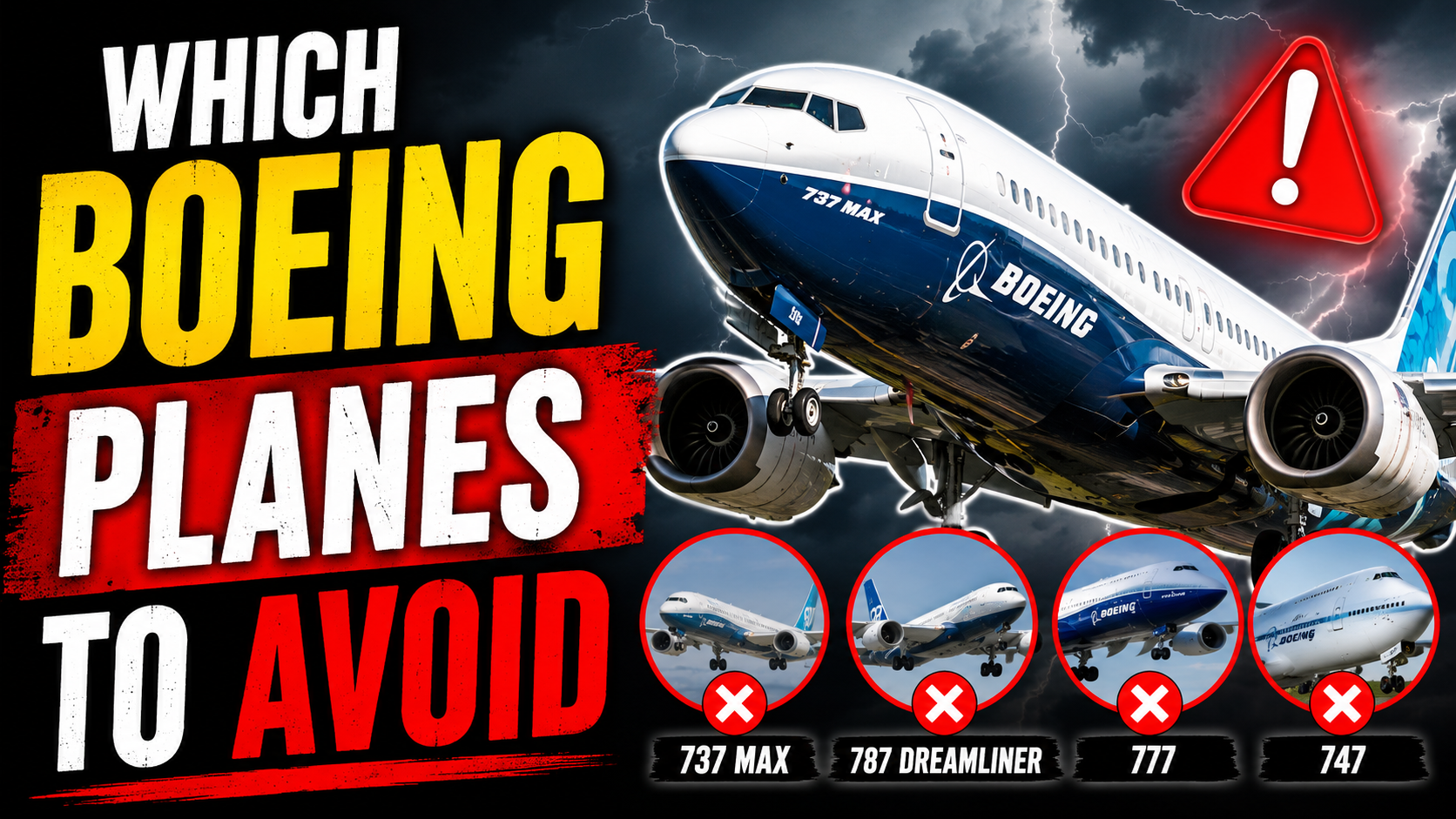
The aviation industry has long been a symbol of modern engineering and global connectivity, with Boeing standing at the forefront of aircraft manufacturing for decades. However, like any complex technological enterprise, not all aircraft models are without challenges. In recent years, certain Boeing planes have come under scrutiny due to safety concerns, recurring technical issues, and high-profile recalls. This article explores which Boeing planes to avoid, delving into historical context, safety data, expert insights, and the lessons that passengers and airlines alike can learn.
Understanding Boeing’s Safety Record
Boeing has produced some of the world’s most iconic aircraft, including the 737, 747, 777, and 787 families. For decades, these models have carried millions of passengers safely across the globe. Yet, no manufacturer is immune to operational risks. Safety records are influenced by engineering choices, regulatory oversight, and maintenance practices. Historically, Boeing has faced scrutiny over design flaws, software errors, and production inconsistencies. While some issues are resolved swiftly through recalls or retrofits, others have had long-lasting consequences on airline operations and public perception.
Understanding which planes are more prone to incidents requires reviewing aviation safety databases, including those maintained by the Federal Aviation Administration (FAA) and the National Transportation Safety Board (NTSB). Patterns emerge in certain models, highlighting recurring issues that may influence both airlines’ purchasing decisions and passengers’ flight choices.
Boeing 737 MAX: The Most Notorious Model
The Boeing 737 MAX is arguably the most controversial aircraft in recent history. Launched as a fuel-efficient successor to the 737 Next Generation series, it was designed to compete with the Airbus A320neo. However, two tragic crashes—Lion Air Flight 610 (2018) and Ethiopian Airlines Flight 302 (2019)—resulted in the loss of 346 lives and grounded the entire global fleet.
The central issue was the MCAS (Maneuvering Characteristics Augmentation System) software, designed to prevent stalls. Faulty sensor readings could trigger the system unnecessarily, pushing the nose of the plane down even when not required. Investigations revealed that pilot training and Boeing’s internal safety assessments were inadequate, exposing systemic weaknesses in both engineering and corporate oversight.
While Boeing has since implemented software fixes, redesigned manuals, and enhanced pilot training, many aviation experts still advise caution when flying on certain 737 MAX variants, particularly the earlier MAX 8 models. Airlines that operate recently retrofitted or brand-new MAX aircraft generally have higher safety assurance, but consumer perception remains wary.
Boeing 787 Dreamliner: Electrical and Battery Concerns
The Boeing 787 Dreamliner has been celebrated for its advanced composite structure, fuel efficiency, and passenger comfort. However, early production models faced recurring electrical system malfunctions, including lithium-ion battery fires that led to a temporary global grounding in 2013.
Battery overheating issues prompted the FAA to require Boeing to redesign the containment and venting systems, significantly improving safety. Despite these improvements, minor technical glitches continue to appear in operational reports, such as issues with auxiliary power units, electrical wiring, and oxygen systems. While the 787 is generally considered safe today, prospective passengers and airlines should remain aware of its complex electrical systems, which require rigorous maintenance protocols.
Boeing 747 Variants: Aging Aircraft Challenges
The Boeing 747, often called the “Queen of the Skies,” revolutionized air travel with its size and range. Despite its iconic status, the older 747 variants, particularly the 747-100 and 747-200, pose unique challenges due to aging airframes. Structural fatigue, outdated avionics, and limited manufacturer support make older 747 models more prone to mechanical failures if not meticulously maintained.
Airlines operating these older variants often face higher maintenance costs, and many have retired them from passenger service entirely. While modernized 747-400 and 747-8 models incorporate contemporary safety systems, the decision to fly on older versions should be informed by an airline’s maintenance record and adherence to strict inspection protocols.
Recurring Engine Issues in Boeing Aircraft
Boeing planes are equipped with engines from manufacturers such as Pratt & Whitney, Rolls-Royce, and CFM International, and engine reliability is a critical factor in flight safety. Certain Boeing models, particularly older 737 and 747 variants, have experienced engine failures, bird strikes, and turbine malfunctions at higher-than-average rates.
For instance, the Pratt & Whitney 4000-series engines on some 747 and 777 aircraft required multiple inspections and replacements due to turbine blade fatigue. While these issues are generally addressed through rigorous maintenance schedules, passengers should be aware that older planes with legacy engines may carry a slightly elevated risk compared to newer models with modern engine designs.
Boeing Recalls and Safety Bulletins
Boeing regularly issues service bulletins and mandatory airworthiness directives to address potential safety concerns. These directives range from minor software updates to full structural modifications. Some notable recalls have included:
- 737 NG wing cracks – Certain Next Generation 737 models required inspections due to fatigue cracks in the wing structure.
- 787 fuel system reviews – Early Dreamliner models underwent extensive modifications to prevent electrical fires.
- 777 engine inspections – Select 777 variants experienced uncontained engine failures requiring enhanced turbine monitoring.
While recalls are an industry-standard safety mechanism, frequent or severe bulletins may indicate recurring design vulnerabilities. Airlines with a strong compliance culture mitigate these risks, but passengers may choose to research airline fleets and the age of the aircraft when booking flights.
Expert Advice for Passengers
Aviation safety experts generally advise the following precautions:
- Check aircraft type – Many flight booking platforms display the plane model. Opting for newer aircraft or well-maintained variants can reduce risk.
- Review airline safety records – Regulatory audits, incident reports, and maintenance compliance scores are public information in many countries.
- Stay informed about recalls – News outlets and aviation safety databases often report active service bulletins and mandatory modifications.
- Consider flight routes and fleet rotation – Airlines may deploy older aircraft on less frequent or longer routes, impacting exposure to certain risks.
Although commercial aviation remains statistically safer than driving, informed choices regarding aircraft type can provide additional peace of mind.
Industry Perspectives and Regulatory Oversight
The FAA, European Union Aviation Safety Agency (EASA), and other global regulatory authorities closely monitor Boeing’s aircraft. These agencies mandate rigorous safety audits, stress testing, and incident reporting. Regulatory oversight has intensified since the 737 MAX incidents, leading to stricter certification processes and increased transparency in aircraft design reviews.
Industry analysts note that Boeing’s challenges often stem from complexity in innovation, balancing fuel efficiency, passenger capacity, and new technologies. While regulators enforce compliance, the ultimate responsibility for operational safety lies with both the manufacturer and airline operators.
Future of Boeing Aircraft Safety
Boeing has taken significant steps to restore confidence in its planes, including:
- Redesigning software systems on 737 MAX variants
- Strengthening pilot training programs globally
- Implementing advanced diagnostic tools on 787 and 777 aircraft
- Enhancing structural monitoring for older airframes
Investments in predictive maintenance, artificial intelligence diagnostics, and real-time monitoring systems aim to prevent failures before they occur. As technology evolves, passengers can expect higher levels of safety, although older models may still carry residual risk factors that require careful airline management.
Conclusion: Making Informed Choices
Deciding which Boeing planes to avoid requires a nuanced understanding of aircraft history, technical performance, and operational oversight. While tragic incidents have marred the reputation of certain models, proactive recalls, redesigns, and regulatory interventions have significantly improved safety across Boeing’s fleet.
Passengers seeking the utmost assurance should consider:
- Avoiding early 737 MAX variants until retrofitted or re-certified
- Being cautious with older 747 airframes and legacy engines
- Staying updated on 787 maintenance bulletins
Ultimately, commercial air travel remains remarkably safe, and informed decisions about aircraft types can help travelers navigate risks with confidence. By combining knowledge of aircraft models, airline practices, and regulatory compliance, passengers and aviation enthusiasts can make intelligent choices that balance safety, convenience, and comfort.

Post Comment